Introducing Madiva Green Energy
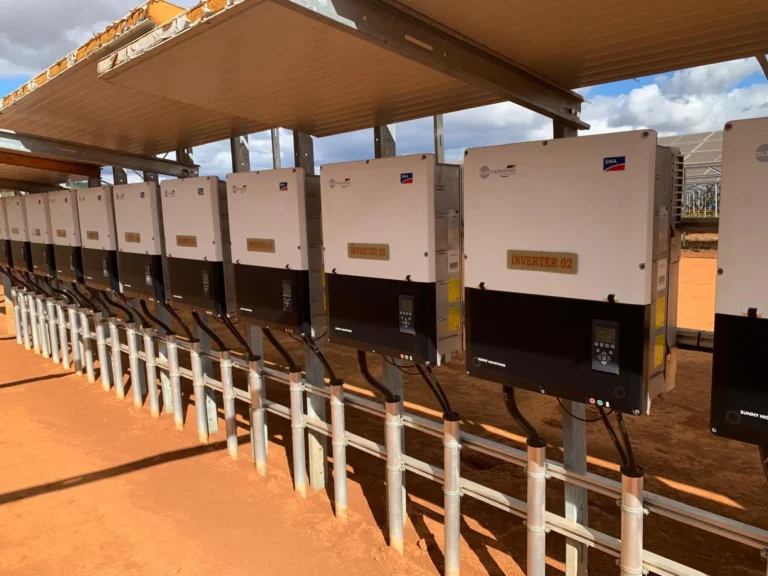
Madiva Green Energy is an innovative company dedicated to the promotion and development of solar energy in Madagascar. Founded in 2018, the company was created to meet the country's growing electricity needs, while prioritizing renewable energy sources. Madiva Green Energy's mission is to improve access to sustainable energy for Madagascan communities, by implementing environmentally-friendly energy solutions.
In 2019, the company achieved a significant milestone by building its first solar power plant, a project that not only provided electricity to thousands of homes, but also paved the way for future initiatives of this kind across the island. The plant was an important starting point for Madiva Green Energy, marking its commitment to transforming Madagascar's energy dynamic by effectively integrating solar power into the national energy landscape.
Madiva Green Energy's objectives are threefold: to increase solar energy production capacity, to raise awareness of the importance of renewable energies among local communities, and to implement infrastructure projects that promote sustainable access to energy. The company is convinced that solar energy can become the country's main source of electricity, guaranteeing sustainable energy autonomy.
What's more, Madiva Green Energy envisions a future in which renewable energy plays a key role in Madagascar's economic and social development. By adopting environmentally-friendly practices and focusing on innovation, it aims to reduce the island's carbon footprint while improving the quality of life of its inhabitants. Madiva Green Energy's commitment to solar energy is not only a testament to its vision, but also to its essential role in the country's energy transition.
The importance of solar energy in Madagascar
Madagascar, a nation rich in biodiversity, faces considerable energy challenges that hamper its economic and social development. Currently, around 80 % of the population lives without regular access to electricity, posing major problems not only for households, but also for businesses. The inability to access a reliable energy source limits job opportunities, hampers education and complicates healthcare. In this context, solar energy is emerging as a promising alternative solution.
Madagascar's solar potential is impressive. With average daily sunshine ranging from 5 to 8 hours, the country could take advantage of its vast solar resources to promote the electrification of its communities. Studies estimate that Madagascar could generate up to 50 GW of solar energy, enough to more than cover the country's growing electricity demand. By 2021, total energy demand has been estimated at around 1,800 MW, a consumption that continues to rise due to population growth and rapid urbanization.
In addition, the transition to solar energy would reduce the country's dependence on fossil fuels and non-renewable energy sources, which are often costly and unpredictable. Solar energy also represents a means of promoting sustainable development in Madagascar, offering an environmentally-friendly energy source that could help combat climate change. So the importance of solar energy is not limited to its energy potential, but also generates undeniable socio-economic benefits for the nation as a whole.
Madiva Green Energy's positive impact on the community
Madiva Green Energy plays an essential role in improving the daily lives of communities in Madagascar through the provision of solar energy. This initiative provides families and businesses with a sustainable and reliable source of energy, which has significantly transformed the local economic dynamic. Access to electricity has enabled households to carry out daily activities such as lighting, cooking and using household appliances, thus improving their quality of life.
By integrating solar energy into various aspects of community life, Madiva Green Energy contributes to job creation. Developing solar projects requires technicians, engineers and regular maintenance, generating job opportunities for local people. This not only helps reduce unemployment, but also strengthens the local economy. As a result, families' incomes rise, enabling them to invest more in their day-to-day needs, such as children's education or healthcare.
What's more, the reliability of the power supply encourages business growth. Small businesses, which have long suffered from power cuts or limited access to energy, can now operate optimally. This translates into increased production, diversification of services and, ultimately, better access to markets. Many testimonials from beneficiaries emphasize how solar energy has facilitated their operations, improved their profits and boosted the local economy.
In short, Madiva Green Energy's initiative transcends the energy aspect to bring about significant socio-economic change. Access to a stable, renewable energy source represents a valuable opportunity for Malagasy communities, creating a brighter, more sustainable future.
The future of solar energy in Madagascar
The future outlook for solar energy in Madagascar is promising, thanks to initiatives already in place by companies such as Madiva Green Energy. The company has already demonstrated its ability to produce and distribute solar energy in remote areas, helping to improve access to energy for many communities. Given Madagascar's abundant solar resources, there is a significant opportunity for expansion and innovation in this sector. Madiva Green Energy is planning several large-scale projects, including increasing solar power generation capacity, as well as developing advanced energy storage technologies.
Furthermore, the expansion of solar energy infrastructure in the country will require increased cooperation with other players, including local governments, non-governmental organizations and private companies. This collaboration is essential to overcome the logistical and technical challenges that can hamper the deployment of solar systems in rural areas. Implementing these innovative and sustainable solutions could have a considerable impact on the Malagasy economy, notably by creating jobs, reducing electricity costs and supporting local economic development.
Government policies also play a key role in the future of renewable energy in Madagascar. A favorable regulatory framework that encourages investment in solar technologies is essential to catalyze growth in this sector. Tax incentives, subsidies and public-private partnerships can help stimulate innovation and attract the investment needed to drive solar energy projects forward. By fostering a healthy investment environment and supporting local initiatives, Madagascar can strengthen its energy infrastructure and ensure a sustainable future for its people.