Introduction to solar energy
Solar energy, defined as energy captured from the sun's rays, has become the growing focus of interest in the field of renewable energies. In a world of ever-increasing energy needs, solar power is emerging as a viable alternative to traditional energy sources such as fossil fuels. Technological advances have made this form of energy not only more accessible, but also more efficient, offering a real opportunity to help protect the environment and combat climate change.
Over the years, the adoption of solar energy has grown considerably, with solar panel installations in many countries. This trend is driven by a growing awareness of environmental issues and the harmful impacts of non-renewable energy sources. Governments and individuals are beginning to invest heavily in solar power to reduce their carbon footprint. Improvements in photovoltaic technology have also helped reduce costs, making solar energy increasingly competitive on the energy market.
The specific situation of Madagascar is an interesting case in point. This country, rich in natural resources, faces considerable energy challenges, not least the lack of access to reliable, sustainable energy sources. Solar energy in Madagascar could therefore play a crucial role in the country's energy future. Thanks to its abundant sunshine, Madagascar has the potential to harness this renewable resource to meet the energy needs of its population, while promoting economic and social development. In short, solar energy represents not only a solution for energy management, but also a means of guaranteeing a sustainable and equitable future for generations to come.
Myth 1: Solar energy is too expensive
The first myth we're going to explore concerns the perception that solar energy is too expensive for the average investor or consumer. In reality, the cost of installing solar energy systems, although initially high, has fallen considerably in recent years thanks to technological advances. Today, the purchase and installation of solar panels is more affordable than ever, even in regions like Madagascar, where solar power is fast becoming the solution of choice.
To put this into perspective, it's important to compare the costs of solar power with those of other energy sources. Fossil fuels continue to be subject to price fluctuations, often more volatile than those associated with solar energy. In addition, variable costs over the lifetime of a solar system, such as maintenance, are often lower than for fossil fuel-based installations. Solar energy costs have fallen by almost 80 % over the past decade, making this option more competitive and attractive.
In addition, several financial incentives, such as tax credits or subsidies offered by governments or local organizations, support the adoption of solar energy in Madagascar. These make the initial investment more affordable and help to reduce the payback period. Thanks to increased awareness and advocacy, more and more people are realizing that they can enjoy the benefits of solar energy without incurring prohibitive costs. So the common myth that solar energy is too expensive is clearly belied by the current reality of available prices and financial opportunities.
Myth 2: Solar energy is not efficient in tropical climates
One of the most widespread myths about solar energy is the idea that it is less efficient in tropical climates, such as those found in Madagascar. This prejudice can deter many people from adopting solar energy systems, for fear that they won't work optimally in conditions of intense heat and humidity. However, it is important to emphasize that solar energy can, in fact, be particularly effective in these regions.
Photovoltaic systems are designed to capture sunlight, and the intensity of sunlight in tropical climates is often favorable for this purpose. Heat is not an inhibiting factor for energy production; on the contrary, direct and constant sunlight is beneficial. Recent technological advances have also improved the efficiency of solar panels, making them even more suitable for tropical conditions. Technologies such as integrated cooling systems and the development of high-efficiency solar panels have proved that solar energy can overcome the challenges of climatic conditions.
What's more, numerous concrete examples demonstrate that solar energy in Madagascar and elsewhere in the tropics has proved its worth. Large-scale projects, such as community solar installations, testify to the ability of these systems to generate sustainable electricity even in hot, humid environments. These installations have not only helped to improve energy supply, they have also facilitated access to electricity for millions of people, making solar energy a valuable asset in the sustainable development of tropical regions.
Myth 3: Installing and maintaining solar power is too complicated
It is commonly believed that the installation and maintenance of solar energy systems require advanced technical skills, which can discourage many households and businesses from adopting solar energy in Madagascar. However, this perception is often exaggerated and can be debunked by taking a closer look at the installation process and the resources available.
In reality, the installation of a solar energy system follows a well-defined process, which usually begins with an assessment of the customer's energy needs. Industry professionals carry out a thorough analysis of the available space and determine the optimal configuration of the solar panels. This step is essential to ensure the system's adequate performance. Next, installations are often carried out by qualified teams who follow rigorous safety and quality standards.
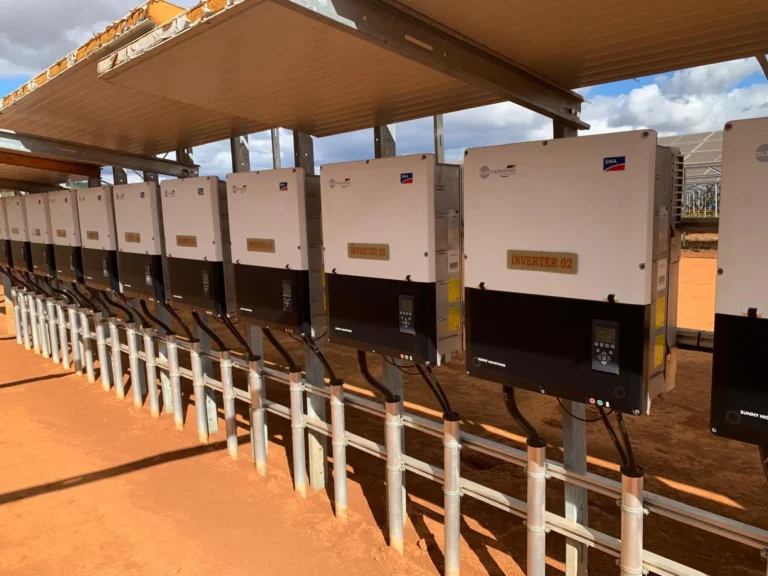
Once the system has been installed, solar energy maintenance is relatively straightforward. Most systems require periodic checking to ensure that components are working properly, but these inspections can usually be carried out by trained local personnel, without the need for foreign experts. This not only reduces costs, but also reliance on specialized techniques that may not be available locally.
In Madagascar, several support structures have been set up to facilitate the adoption of solar energy. Training programs exist to educate local technicians on installation and maintenance, making solar energy accessible to a larger number of people. By demystifying the process, we encourage potential consumers to consider solar power as a viable and sustainable alternative. Overall, the idea that installing and maintaining solar power is too complicated is a myth that deserves to be revisited.